
FUNCTIONAL MEDICINE BLOG
Includes over 800 monographs reporting on emerging studies in the medical and scientific literature of practical clinical importance, easily searched for content.
Vitamin D—how much is best? How much is toxic?
· Vitamin D is crucial for many non-skeletal functions including immune system regulation.
· Numerous factors can interfere with vitamin D effectiveness, and there is significant individual variation in response to vitamin D.
· Some individuals require very high doses for therapeutic effectiveness.
· PTH (parathyroid hormone) levels in response to supplementation are a gauge of VDR (vitamin D receptor) response.
· Toxicity is extremely rare; professionally managed, even ultra-high therapeutic doses have been given without toxicity.
“How much protein should I eat?”
How much protein should a person eat? Recent evidence indicates that the quantity, source and amino acid (AA) composition of proteins are more strongly associated with longevity and metabolic health than calorie restriction. And the amount varies significantly by age.
An overlooked remedy during menopause
Masturbation may play a valuable role in managing menopause symptoms, and it is important that physicians discuss the potential benefits of self-pleasure with their patients.
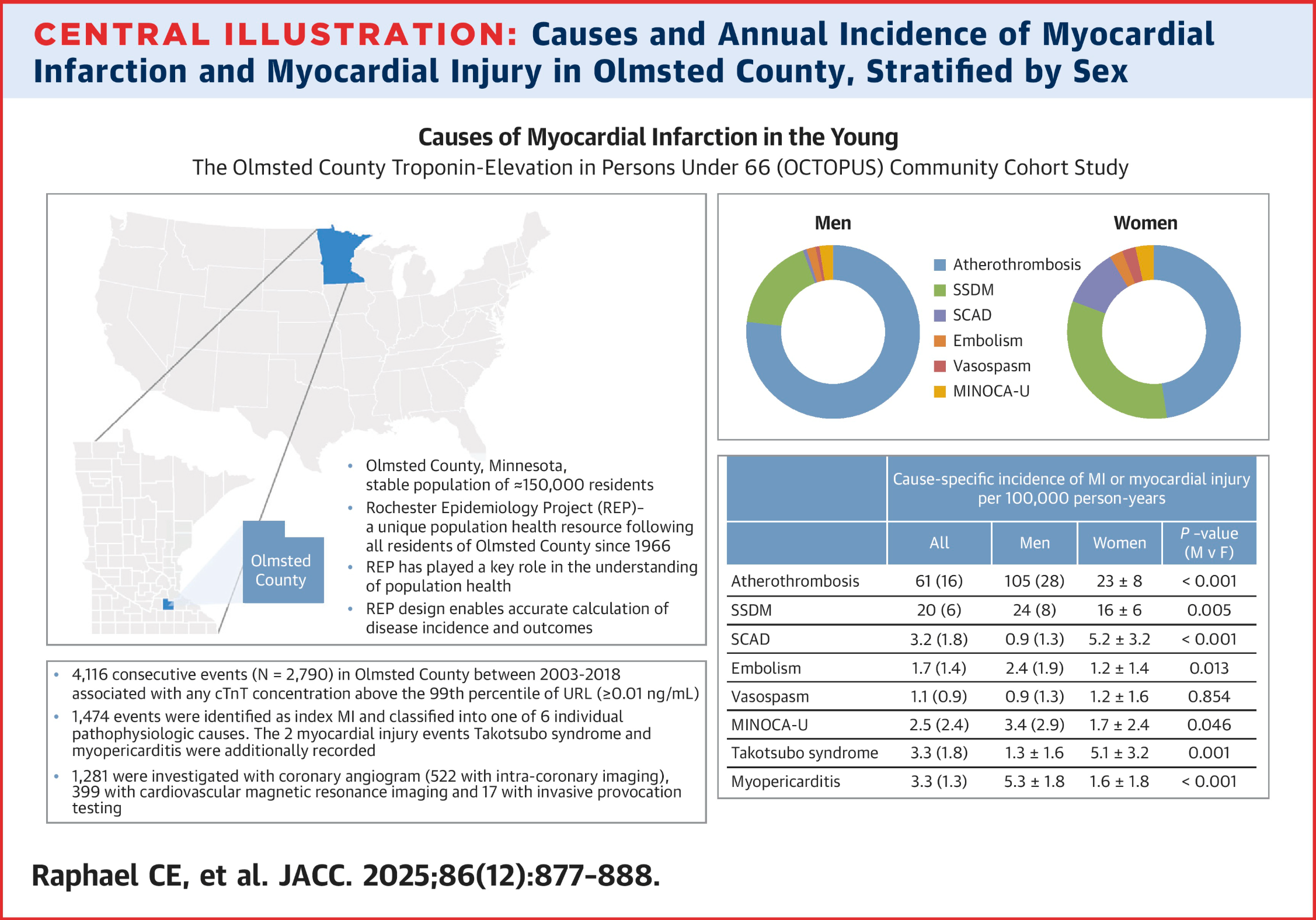
More than half of younger women’s heart attacks are from nontraditional causes
More than half of the heart attacks in this large group of younger women were from five other causes than atherosclerosis.
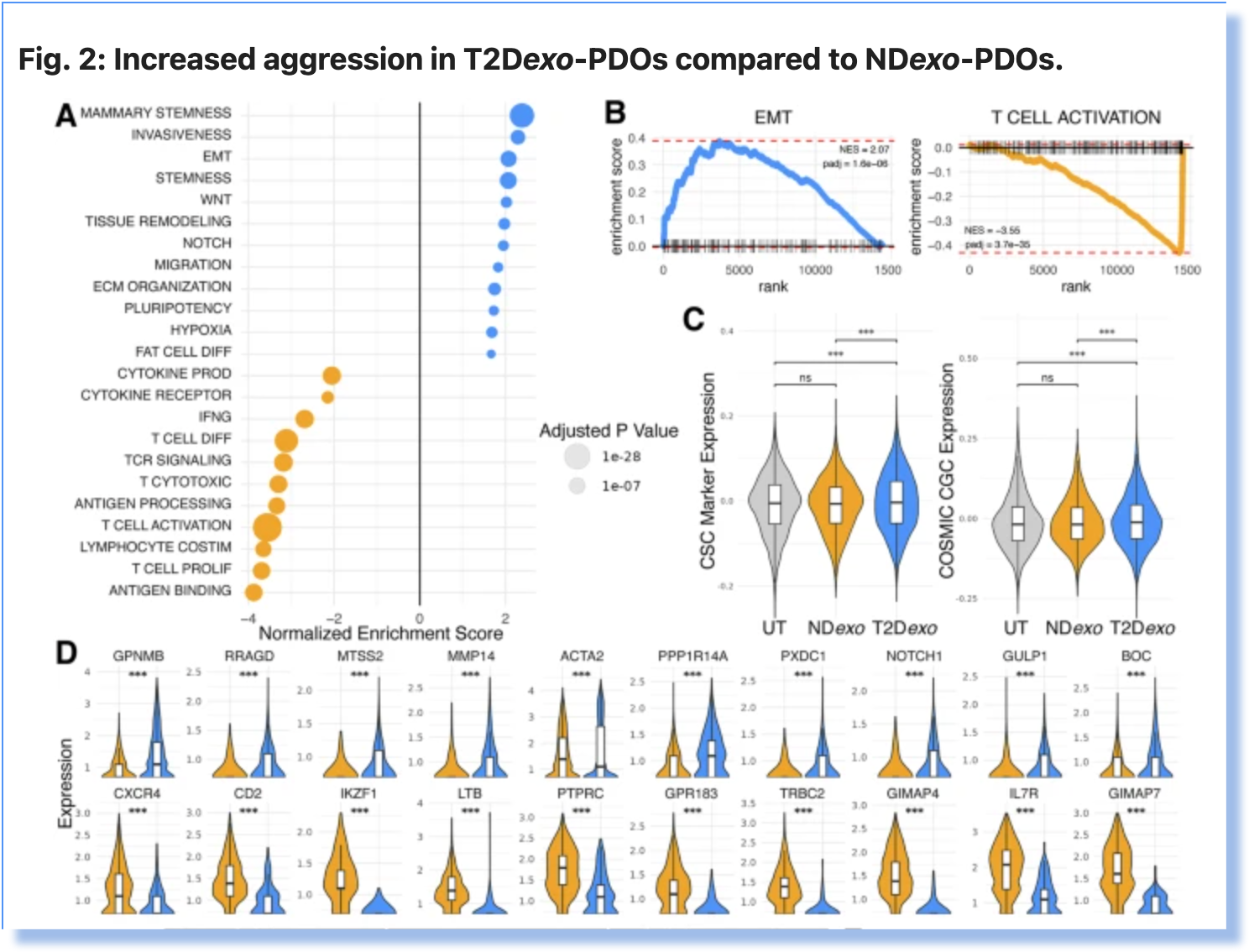
Breast cancer is made more aggressive by type 2 diabetes exosomes
Exosomes produced with type 2 diabetes make breast cancer more aggressive by suppressing immune cells in the tumor microenvironment.
All with high blood pressure should be screened for primary aldosteronism
All with high blood pressure should be screened for primary aldosteronism, a very common condition which greatly increases risks for coronary artery disease, stroke and heart failure, but is vastly under diagnosed and under treated.

Autoimmune inflammation significantly increases risk of mood disorders
The chronic inflammation associated with autoimmunity nearly doubles the risk for psychiatric conditions such as depression, anxiety, and bipolar disorder.
Serum levels of Vitamin B12 are not an accurate indicator of B12 functional status
Serum levels of vitamin B12 are not an accurate indicator of tissue status or functional sufficiency.
Insulin resistance increases breast cancer aggressiveness
Insulin resistance in metabolic conditions like type 2 diabetes and pre-diabetes makes breast cancer cells more aggressive and reduces survival.

Blood pressure taken lying down is a better predictor of cardiovascular disease
Blood pressure measurement while lying down reveals risks for cardiovascular disease that are missed by taking blood pressure while seated.
The Triglyceride–Glucose Index is a powerful biomarker for cardiovascular disease, depression, dementia, cancer and much more
The TyG Index an important biomarker associated with insulin resistance, is a powerful predictor of risk for cardiovascular disease, depression, cancer, and much more.

Coffee improves cognition in people with atrial fibrillation
Up to or more than five cups of coffee per day can improve cognition in people with atrial fibrillation.

Atrial fibrillation risk identified early by NT-proBNP
N-terminal pro-B-type natriuretic peptide (NT-proBNP) levels are strongly associated with an increased risk of atrial fibrillation, particularly in older adults.
Ketogenic diet can accelerate aging
The ketogenic diet can do harm when prolonged by inducing cellular senescence and inflammation that damages organs. The potential harms can be avoided by personalized management with intermittent application.

Unresolved PTSD promotes adverse cardiovascular and brain effects
PTSD is associated with a 50% to 60% increased risk of incident CVD and elevated stroke and dementia risk.

Stress-linked mental disorders, systemic inflammation, and Brainspotting
Traumatic or emotionally charged experiences can get ‘stored’ in our nervous system, leading to emotional distress and physical symptoms. When physiological or emotional issues remain unprocessed, we can become stuck in a maladaptive biological and/or cognitive-emotional homeostasis. Brainspotting activates the trauma or stress-related emotions and memories that persist in the deeper, subcortical brain in a way that permits spontaneous processing and resolution.

Risks of high cholesterol and benefits of statins misrepresented by unacceptable scientific behavior
The emphasis on relative risk coupled with insufficient disclosure of absolute risk in the reporting of randomized controlled trial outcomes has led healthcare providers and the public to overestimate concerns about high cholesterol and to be misled as to the magnitude of the benefits of cholesterol-lowering therapy.
Phototherapy and photobiomodulation can improve cognitive function in dementia
After 15 years of follow-up, prostate cancer–specific mortality was low regardless whether the treatment assigned was active monitoring, surgery, or radiotherapy. Transperineal prostate biopsy is superior to transrectal.
Atrial fibrillation caused by autoimmunity
Autoimmunity can cause or contribute to atrial fibulation (afib) and other cardiac arrhythmias, and should be included for investigation and treatment in case management.
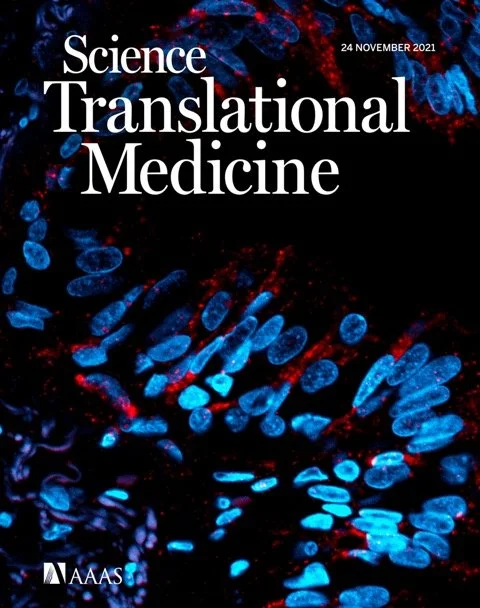
Red blood cells’ previously unknown immune activity in anemia of inflammation
RBCs promote inflammation through expression of Toll-like receptor 9 (TLR9) on the cell surface and are essential components of inflammatory responses that can cause anemia.